
My Top Reads of 2025
As 2024 draws to a close, I’d like to share some highlights from a reading year that, while modest in volume, was rich in discovery and surprise. It was also a year of firsts—from Japanese manga to sprawling historical epics.
I ventured into Japanese manga at the insistence of my son, who went from a reluctant reader to devouring eleven volumes in under two months. Intrigued, I borrowed an age-appropriate title from the library (Blade of the Immortals) and found that the stories linger, and the illustrations feel like vivid dreams or a film playing in the mind—very much like the wonder of childhood. Nonetheless, it doesn’t quite feel like I’m cut out for this. 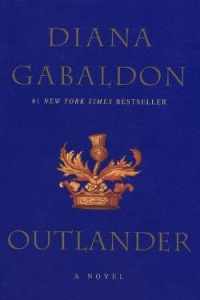
Another major discovery was the Outlander series. Its author, Diana Gabaldon, has a scientific background, has worked as a science communicator, and spent years in academia before turning to fiction. Around the age of 35, shaken by the early death of her mother, she decided she could not leave this world without attempting the novel she had always dreamed of writing. The result was Outlander, published in 1991, which became an immediate success and grew into a long-running series now celebrated worldwide, including via an award-winning television adaptation she co-produces. I only came across her work by chance while browsing the PBS “Great American Read” list, where Outlander ranks second among readers’ favourite books. I knew most of the other titles near the top, but this one was new to me. Once I started reading, it felt like grabbing a tiger by the tail—impossible to let go.
The third unique book was The Trading Game. The language is raw street slang. At times it feels tedious or shallow; at other times, it is incredibly stimulating. It is one of those books that make you wonder where you’ve been while this world was unfolding. IIt also has a seductive pull toward the world of trading. But be careful! If you decide to dive in, make sure you do it backed by solid knowledge.
I cannot pass over the masterpiece by the Russian author Bulgakov’s The Master and Margarita. You could say I have read this book three times now. I wasn’t fully satisfied with the first translation, so I picked up another excellent version and listen to audiobook while cooking or cleaning. It is an inexhaustible work, every reading opens up new layers, details, and interpretations.
Among my non-fiction picks, White Holes by Carlo Rovelli stood out, even if it did not fully meet my expectations. Rovelli, a physicist and acclaimed popular science writer, explores the speculative concept of white holes and connects physics with philosophy and literature. Although I ultimately rated it three stars, it is still worth reading for the way it invites you to think about time, space, and meaning.
Two science fiction novels felt essential this year: The Ministry for the Future and The Dark Forest, the second book in Cixin Liu’s Three-Body Problem trilogy. Together, they stretch the imagination, broaden horizons, and illuminate the challenges facing humanity, whether grounded in reality or projected into speculative futures.
For readers who enjoy an occasional action thriller, I can warmly recommend two Tom Clancy novels—one a classic from his earlier work (The Hunt for Red October) and the other from the new generation of authors continuing the franchise (Code of Honour by Marc Cameron). Both deliver the expected blend of geopolitics, technology, and high-stakes tension. My chosen autumn read, The Secret History, provided a darker, more introspective counterpoint—unsettling at times, but exceptionally well crafted.
There is also one special and deeply personal book from this year that I am not ready to introduce just yet. I hope to share it with you in a different way soon.
Wishing you all the best—and many memorable reads—in the year ahead.

Leave a Reply
Want to join the discussion?Feel free to contribute!